
Purchase
- It Was A Woman
- Pricing Info
- Finding Our Talk Season One
- Finding Our Talk Season Two
- Finding Our Talk Season Three
- Finding My Talk
- Little Caughnawaga: To Brooklyn and Back
- KANIEN'KEHÁ:KA: Living the Language
- Aboriginal Architecture
- Winter Chill
- Okimah
- Broken Promises
- Invasion of the Beer People
- Running the Midnight Sun
- Tabala: Rhythms of the Wind
- Radio Novelas
- Extra Bitter: Saga of the Chocolate Islands

Ring of Fire - DVD Episodes 1 - 6

of Marten Falls and Webequie as they try to deal with the complex issues surrounding a
very large mining project – called The Ring of Fire - proposed to be built on their
traditional territory and in close proximity to their reserves.
It Was A Woman - DVD

It Was A Woman: Surviving Female Sexual Abuse is a first person documentary about the journey of Blackfoot director Cherri Low Horn as she tries to make sense of her own experience of being sexually molested by a woman as a child. The film, produced by Montreal Aboriginal film company Mushkeg Productions Inc. in association with the Aboriginal Peoples Television Network
Pricing Info
- To order an individual episode or series using PayPal, use the menu to the left or scroll to the film on this page.
- Institutions and libraries may also send a PO# and we will invoice you when we ship your order.
- Little Caughnawaga: To Brooklyn and Back is available for purchase through the NFB. US residents can purchase the film through VisionMaker.
- Aboriginal Architecture is available through NFB/ONF in Canada and BullFrog Films or Visionmaker in the US.
- The Finding Our Talk 3 compilation set is available in English, French and Mohawk.
- Finding Our Talk 3 single episodes are available in English and French. NTSC and PAL available.
Episodes are $29.95 each, $350.00 for each series (13 episodes) or $650.00 for season 1 & 2 (26 episodes) or $900.00 for all 39 episodes plus shipping and applicable taxes. (No taxes if sent outside of Canada). All prices are in US dollars. - Canadian institutions and schools can send us a PO or email request for their order and we can invoice your order in Canadian funds. Our invoice will be included with your shipment.
- Give us a call at 514-279-3507 if you have any questions.
Note for Educators: Purchase of any of the series includes public performance rights for classroom use. Individual episode sales do not have public performance rights.
Tel.: (514) 279-3507 or (514) 279-9576
Email: mushkeg@videotron.ca
Fax: (514) 279-7493


Finding Our Talk - Season Three
Length: 13 episodes x 30 min. (available in NTSC and PAL)
Release: 2009
Language versions: English, French and Mohawk
Finding Our Talk Three examines the state of Aboriginal languages within Canada and the broader indigenous world, with episodes shot in Canada, the United States, New Zealand, Australia and Latin and South America. The series celebrates the many individuals, communities and organizations that are reclaiming their language, culture, stories and often, their very existence as a people.
Comments:
"The Native Film Night at the George Wright Society conference was a moving event. Thank you for producing the Finding Our Talk series, and for allowing me to show excerpts from the Chitimacha episode. It was well-received, and sparked interest for some people who didn't know about the Rosetta Stone program." - Sharon Franklet, George Wright Society

Finding Our Talk - Season Two
Length: 13 x 30 min.
Release: 2002
Language versions: English and French
Finding Our Talk Two examines the state of Aboriginal languages within Canada and celebrates the many individuals, communities and organizations that are reclaiming their language, culture, stories and often, their very existence as a people.
Finding Our Talk - Season One
Length: 13 x 30 min.
Release: 2001
language versions: English and French
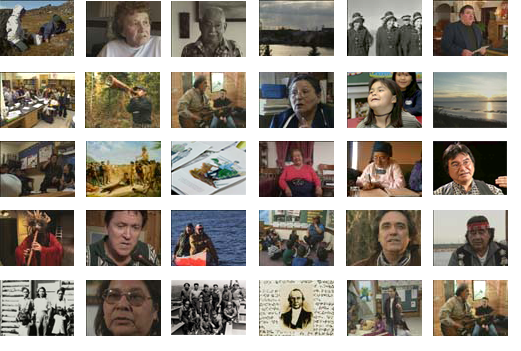
Finding Our Talk One examines the state of Aboriginal languages within Canada and celebrates the many individuals, communities and organizations that are reclaiming their language, culture, stories and often, their very existence as a people.

Finding My Talk: A Journey into Aboriginal Languages
Length: 48 min.
Release: 2000
Language Versions: French and English versions available on the same DVD. Cree version also available.
Producers: Paul M. Rickard (Cree), George Hargrave and Janice Benthin
Director/Writer: Paul M. Rickard (Cree)
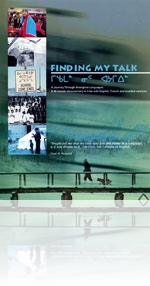
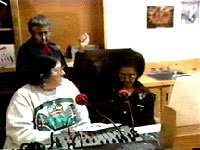
A filmmaker looks at his Cree language roots and presents the work Native people across Canada are doing to revive and preserve First Nations languages.
Little Caughnawaga: To Brooklyn and Back
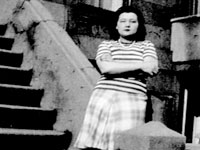
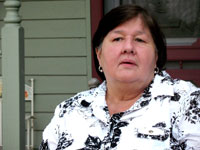
Length: 48 min. (documentary)
Release: 2008
Language Versions: English (original), French and Mohawk
Director/Writer: Reaghan Tarbell
Producers: Paul M Rickard and George Hargrave
Produced by: Mushkeg Media Inc. and the NFB in association with APTN
Purchase: Home and public viewing versions available for purchase through the NFB. US residents can purchase the film through VisionMaker.
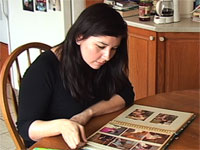
Little Caughnawaga: To Brooklyn and Back is an hour-long documentary about the personal story of Mohawk filmmaker Reaghan Tarbell from Kahnawake, Quebec, as she explores her roots and traces the connections of her family to the Mohawk community in Brooklyn, New York.
KANIEN'KEHÁ:KA: Living The Language
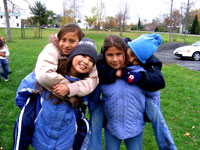
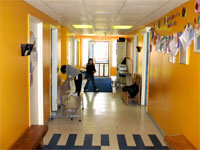
Length: Two-part documentary, 48 min each. The DVD also includes the 62 min. festival cut of the film.
Release: 2008
Language Versions: Mohawk (original), French and English
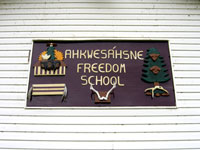
Kanien’kehá:ka - Living the Language is a two part documentary about the personal, thought provoking and honest stories of the Mohawk language (Kanien’kehá:ka) immersion program in Akwesasne.

Aboriginal Architecture – Living Architecture
Aboriginal Architecture - Living Architecture
Length: 90 min.
Release: 2005
Language: English. Also available in French as "Architecture autochtone architecture vivante."
Director: Paul M. Rickard
Producers: Paul M. Rickard and George Hargrave
Co-produced: the National Film Board of Canada and Mushkeg Productions Inc.
Writers: Paul M. Rickard and Janice Benthin
Broadcasters: Aboriginal Peoples Television Network and Saskatchewan Community Network
Purchase: Aboriginal Architecture is available for purchase through the National Film Board.
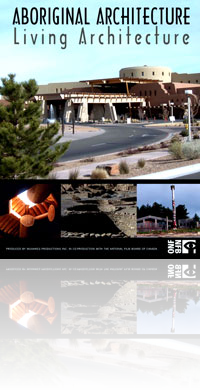
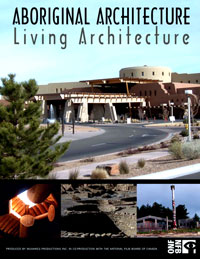
Aboriginal Architecture – Living Architecture is a documentary from Mushkeg Media Inc., in association with APTN and the National Film Board of Canada, that explores the way Aboriginal architecture reflects the diversity of environments and Aboriginal cultures across North America.

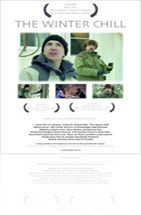
THE WINTER CHILL
Lengh: 24 min. 50 sec.
Release: 2006
Language: English
Director: Paul M. Rickard
Producers: Paul M. Rickard (Cree) and Daniele Rohrbach
Actors: Dakota House (Cree) and Glen Gould (Mi'gmaq)
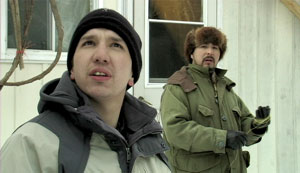
The Winter Chill is a short drama that follows a young Cree man into the bush where he is reluctantly tending his father’s trapline only to run headlong into the legendary Cree creature, Pakaaskokan. At first terrified, he is shocked to learn that there was far more in his father’s stories than he ever dared realize.
Okimah
Length: 50 min.
Release: 1998
Languages Versions: English and Cree with English subtitles
Director: Paul M. Rickard
Production Agency: National Film Board
Purchase: National Film Board
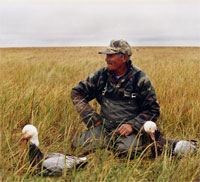
Since time immemorial, the goose hunt has been of central importance to the Cree people of the James Bay coastal areas. The hunt is not only a source of food for the people, but it also plays an increasingly important role in the transmission of Cree culture, skills and ethics. Filmmaker Paul M. Rickard takes us along with his family on a fall goose hunt in the surrounding areas of Moose River in northern Ontario.
Broken Promises: The High Arctic Relocation (Les exiles du Québec)
Length: 48 min.
Release: 1995
Language Versions: English, French and Inuk (all three languages available on the same DVD)
Director: Patricia V. Tassinari
Producers: George Hargrave (Nutaaq Media) Barrie Howells & Don Haig (NFB)
Associate Producer: Erica Pomerance
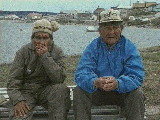
In the summer of 1953, the Canadian government relocated seven Inuit families from Northern Québec to the High Arctic. They were promised an abundance of game and fish - in short, a better life. The government assured the Inuit that if things didn't work out, they could return home after two years. Two years later, another 35 people joined them. It would be thirty years before any of them saw their ancestral lands again.
Invasion of the Beer People (Tuk et l'invasion des brasseurs)
Length: 48 min.
Release: 1995
Language Versions: English and French (available on the same DVD)
Director: Albert Nerenberg
Producer: George Hargrave (Nutaaq Media)
Associate Producer: Erica Pomerance
In 1995, Molson Brewery flew 500 contest winners to Tuktoyaktuk for a "Polar Beach Party," the largest rock concert the North had ever seen.
Running the Midnight Sun (Courir au soleil)
Length: 52 min.
Release: 1992
Language Versions: English and French (available on the same DVD)
Producer/Director: George Hargrave (Nutaaq Media)
Associate Producer: Erica Pomerance
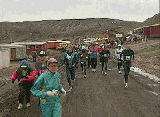
Running the Midnight Sun is a documentary about the world's most northerly marathon race. Every year during the first weekend in July, 120 runners from around North America invade the Inuit community of Arctic Bay and the mining settlement of Nanisivik in Canada's Northwest Territories.
Tabala: Rhythms of the Wind (Rythmes dans le vent)

Length: 52 min.
Release: 1997
Language Versions: English and French (available on the same DVD)
Producer: George Hargrave (Nutaaq Media)
Co-Producer/Writer/Director: Erica Pomerance
Tabala sounds the beat of the drums for Quebec's hottest African artists. In this film filled with song and dance, an eclectic group of performers tell their stories, explore their creative traditions, personal visions and artistic connections.
Radio Novelas
Length: 58 min.
Release: 1995
Language Versions: English (with English subtitles for French dialogue) and French (available on the same DVD)
Producer: George Hargrave (Nutaaq Media)
Associate Producer: Erica Pomerance
Director: Garry Beitel
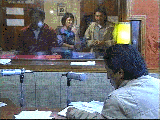
A fascinating journey to Bolivia and Northern Québec, during which native broadcasters explore the use of "soap opera" on community radio as a tool for change.
Extra Bitter: Saga of the Chocolate Islands (Les oubliés du chocolat)
Length: 48 min.
Release: 2000
Language Versions: English and French (available on the same DVD)
Producers: Nutaaq Media Inc. and DEH Vertongen Inc.
Director: Derek Vertongen
Scarred by 500 years of slavery and colonial plunder, the islands of São Tomé and Principe are an enigma. Located off the West coast of Africa, they may be the most obscure country in the world. Many maps of Africa don't even show them. Once famous as major suppliers of cocoa, the diminutive islands haven't been heard of for a long time -- since the turn of the last century. Saga of the Chocolate Islands explores the country and its often mystifying history in a series of short portraits. Together they show the long term consequences of colonialism.
More Information on Extra Bitter: Saga of the Chocolate Islands>>>
Special Order 003